
Adelaide Exposed Concrete Reviews people often think a concrete inspection is about looking for cracks.
That’s usually the last thing we’re looking at.
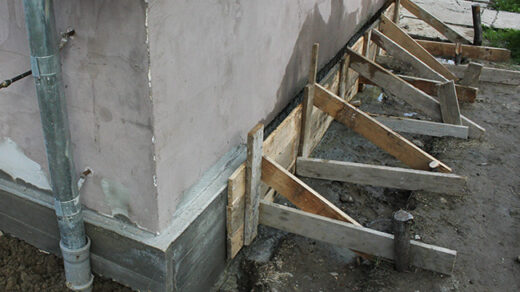
After more than twenty years building driveways, patios, exposed aggregate and shed slabs across Adelaide, we’ve learnt that the best inspection happens before the concrete is even poured.
Once it’s hard, your options become a lot more limited.
One thing we’ve noticed is that homeowners naturally focus on what they can see.
Is the colour right?
Are the edges straight?
Does the exposed aggregate look even?
They’re all reasonable questions.
But those aren’t the first things running through our minds when we walk onto a job.
We’re looking at the ground.
Always the ground.
Adelaide’s reactive clay has taught us that lesson over and over again. If the base isn’t stable, it doesn’t matter how good the finish looks on day one. Eventually the slab will start telling the truth.
That’s why the inspection begins before the concrete truck is even booked.
The first thing we check is the excavation.
Has enough unsuitable soil been removed?
Are there any soft spots?
Has old building rubble been left behind?
You’d be surprised what turns up once you start digging around older Adelaide properties. Broken bricks, old pipes, chunks of concrete from jobs done decades ago and tree roots that were never properly removed.
None of that belongs under a new driveway.
The funny thing is, homeowners rarely see this stage.
By the time the job is finished, everything underneath is hidden forever.
That’s exactly why it’s worth inspecting properly.
Next comes the base.
After doing hundreds of driveways, we’ve learnt that compacted crushed rock doesn’t have to look exciting.
It just has to do its job.
We’re checking that it’s even, firm and properly compacted across the entire area. One section that’s a little softer than the rest might not seem like much today.
Five years later it could be the reason part of the driveway settles.
Most people assume concrete carries all the weight.
In reality, the ground carries plenty of it too.
Drainage comes next.
Here’s where people get caught out.
A driveway can look perfectly level to the eye while still sending rainwater exactly where you don’t want it. We’ve inspected jobs where the finish looked fantastic until the first decent Adelaide winter rolled through.
Suddenly water was pooling against the garage or running back towards the house.
Concrete didn’t cause that.
Poor levels did.
That’s why we’re constantly checking falls before, during and after the pour.
Water always finds the truth.
Then there’s the reinforcement.
We’ve lost count of how many times people have asked if the steel mesh is really necessary.
It is.
But another thing we’ve noticed is that simply having reinforcement on site isn’t enough. It has to be sitting in the correct position within the slab. If it’s lying flat on the ground underneath the concrete, it isn’t doing the job it was designed for.
That’s something we inspect before the first load goes down.
Weather gets its own inspection too.
Not just today’s forecast.
Tomorrow’s as well.
Adelaide weather has a habit of changing quickly. A calm morning can become a windy afternoon. Rain can arrive sooner than expected. Extreme heat can speed up the finishing process more than people realise.
After enough years in the trade, you stop looking at the weather app once.
You keep checking it.
During the pour, our attention shifts.
We’re watching consistency.
Levels.
Edges.
Surface finish.
The concrete tells you plenty if you know what you’re looking for. It reacts differently depending on temperature, wind and moisture. You can’t inspect a slab once and walk away.
It’s constantly changing while you’re working with it.
Almost every callback we’ve had started because someone assumed the inspection ended when the concrete was poured.
That’s only halfway through the story.
After finishing comes curing.
Is the slab protected?
Will people stay off it long enough?
Has the weather changed unexpectedly?
These checks matter because concrete keeps developing strength long after the truck has left.
Rush this stage and you’re undoing a lot of good work.
The final inspection is usually the one homeowners notice.
Clean edges.
Consistent texture.
Control joints where they belong.
Good drainage.
No obvious surface defects.
That’s important.
But for us, it’s really a confirmation that everything underneath was done properly first.
Because the surface is simply reflecting the work that happened before it.
At Pro Concreting Adelaide, we’ve learnt that a proper inspection isn’t about carrying a clipboard and ticking boxes.
It’s about knowing where problems usually begin.
Sometimes that’s in the soil.
Sometimes it’s in the weather.
Sometimes it’s in the timing.
The best concrete jobs rarely happen because one thing was done exceptionally well.
They happen because a hundred small details were checked before they had the chance to become big problems.
That’s what experience teaches you.
And it’s usually the difference between a driveway that looks good for a few months and one that still looks right many Adelaide summers down the track.